An Essential Guide: Types of Plastic
In this news article, we will break down why your choice of plastic hardware material matters. The following products may have specific components available in various plastics: handles, locks, latches, hinges and rubber edge trims.
It is essential that you select a material suitable for your application and the environment it will be in. Types of plastics respond differently to temperature, moisture, UV exposure, and chemical exposure. Not to mention, some plastics are stronger, more flexible, or lighter than others.
Let’s break it down…
ABS Plastic
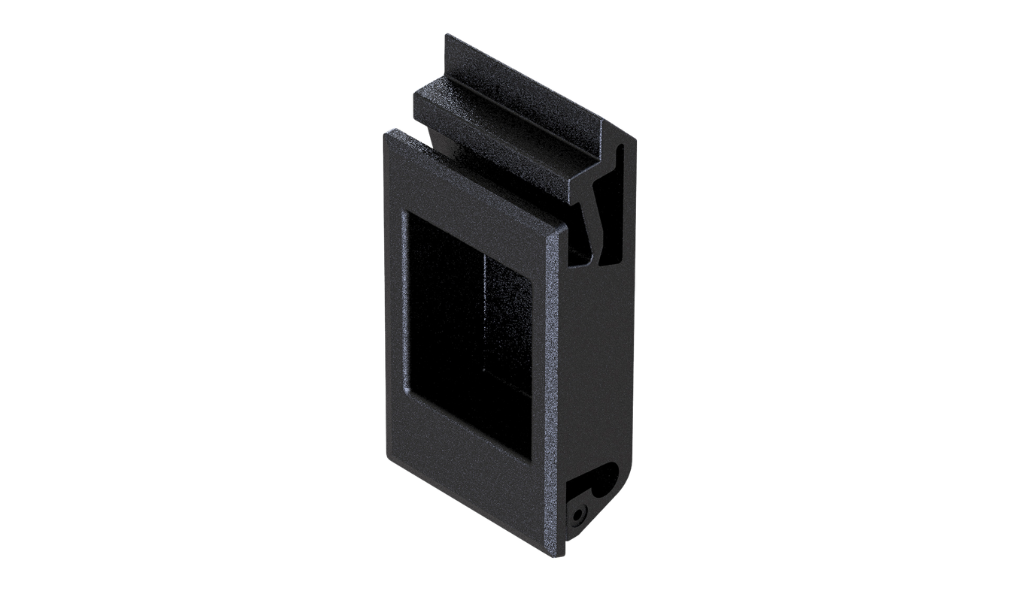
ABS is a rigid plastic that is lightweight and resists impacts and mild chemicals, such as dilute acids and alkalis. It is not UV resistant, and if exposed to these conditions, it can discolour, develop a chalky surface with small cracks, become brittle, and lose its strength.
These properties make ABS plastic ideal for use in indoor, low-temperature applications, such as enclosure and panel components.
PVC
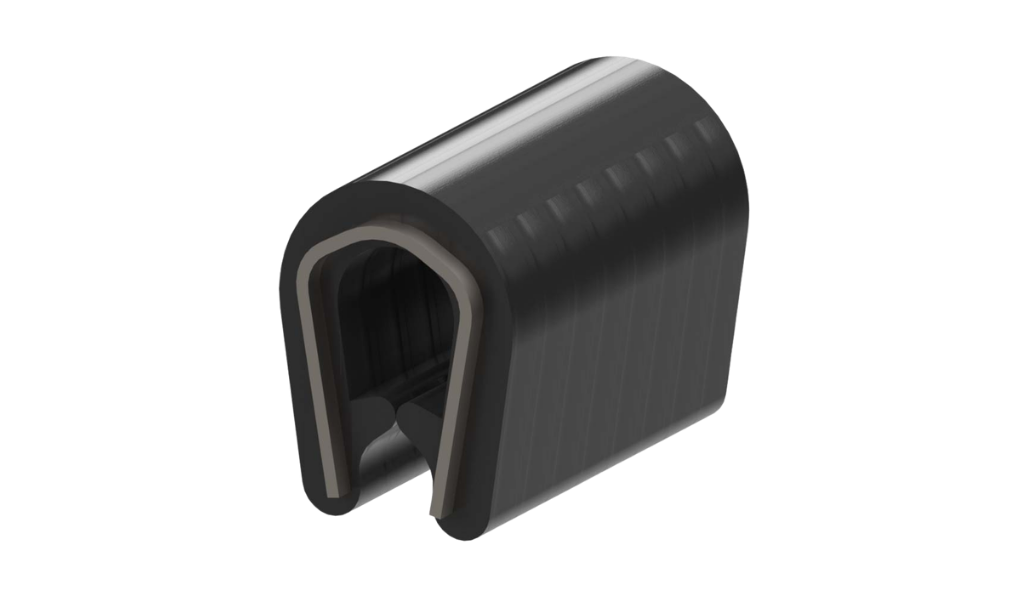
PVC can be both rigid and flexible, depending on the amount of plasticiser added. It is a strong and lightweight plastic that is flame-retardant, meaning it resists ignition and self-extinguishes once the flame source is removed. It resists UV better than ABS Plastic does, as well as resisting moisture and chemicals.
This makes it ideal for use in outdoor environments and the marine industry, such as enclosures, exterior panels, and other wet applications. However, it is important to note that PVC softens at temperatures above 60°C.
Nylon 6 GF30
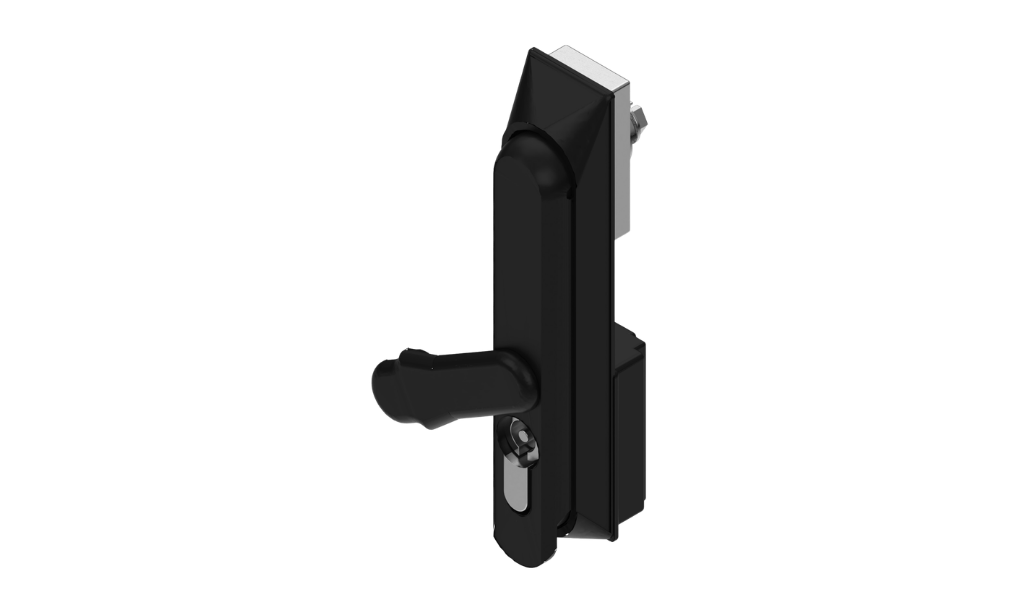
Nylon is a rigid and strong plastic that weighs more than both ABS and PVC. It is also resistant to UV, chemicals, oils, and temperatures up to 180°C. On the other hand, it absorbs moisture, so whilst it can be used outside and withstands water, it’s important to know that it is not waterproof.
Nylon is often used in applications that require more strength and security, such as locks and latches used in automotive and industrial industries.
Acetal Plastic
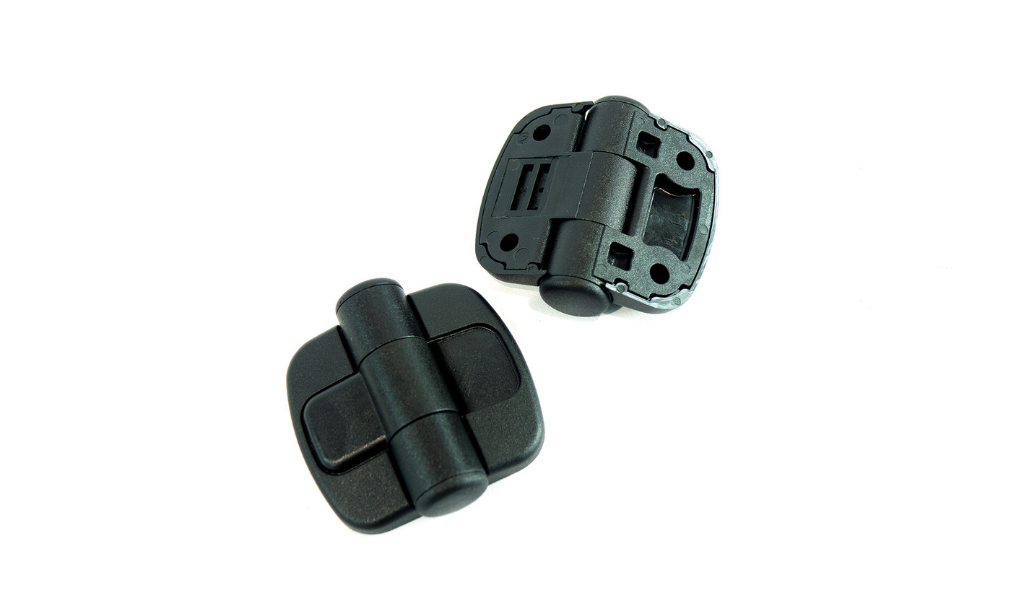
Acetal Plastic is rigid, hard and strong, whilst being resistant to chemicals and UV. It also has low moisture absorption and withstands low and high temperatures ranging from -40°C – 120°C. These excellent weather properties mean it can be used both indoors and outdoors, for example in the marine industry.
Additionally, Acetal Plastic is often food safe and therefore used in the food processing industry. Some popular uses of this plastic include boat hatches and medical equipment.
To shop plastic access hardware, or find out more information, click here.
If you have any other questions regarding our plastic products, or anything else, please contact us via live chat, email [email protected], or phone us on +44 (0)1604 499 332.